The 2024 lineup for the South Star Festival in Alabama has been announced.
Read More “South Star Festival Announces Lineup”South Star Festival Announces Lineup







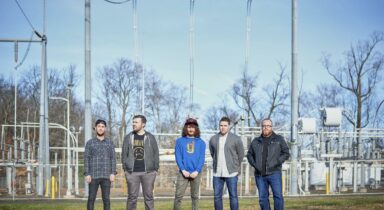


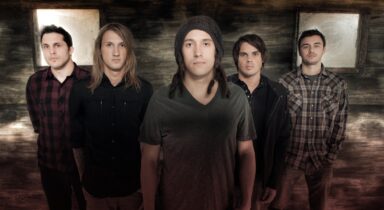

The 2024 lineup for the South Star Festival in Alabama has been announced.
Read More “South Star Festival Announces Lineup”
Someone on Reddit ran the numbers to see if there was any Taylor Swift bump for The Starting Line. The comparisons can be found below.
Read More ““We Got Older, but We’re Still Young””
Mitski has released a video for “Star.”
Read More “Mitski – “Star” Video”
The Menzingers have announced some shows celebrating the 10th anniversary of Rented World.
Read More “The Menzingers Announce ‘Rented World’ Shows”
American Hi-Fi’s debut album is getting pressed to vinyl for the first time.
Read More “American Hi-Fi’s Debut Coming to Vinyl”
Another Record Store Day has come and gone. Did you snag that coveted pressing of that album you had your eye on? Hopefully your experience was as good as mine was, and you were able to grab at least something on your list either in-person or online afterwards. In this article, I’ll be recapping things I noticed about the most popular titles going first, providing feedback on the pressing numbers for this year’s collection, and ways to keep vinyl fans engaged with their local record stores throughout the year.
Read More “Record Store Day Roundup: 2024 Edition”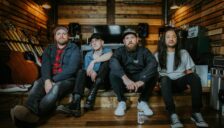
Recently I was able to catch up with a talented pop-punk band called Suck Brick Kid to discuss everything that went into the writing of their new album, The End Is What I Want. Out on May 17 via Smartpunk Records, the new record will have you laughing, crying, and reflecting on all of those nostalgia-tinged memories we experience. With a slick pop-punk sound, Suck Brick Kid would be perfect for fans of Set Your Goals, Sum 41, Four Year Strong, and Blink-182.
Read More “Suck Brick Kid”
Recently I was able to catch up with Charlotte, North Carolina-based power pop band, The Eyebrows, to discuss their latest album called Double Take. The Eyebrows are singer-songwriter, producer, guitarist, and multi-instrumentalist Jay Garrigan, bassist and vocalist Darrin Gray, and drummer and multi-instrumentalist Shawn Lynch. In this interview, I asked the band about what went into the writing/recording process for Double Take, how they approach building out their setlists for tours, and much more. Double Take released on April 19th, and there are still a few physical options of the record at the band’s store here.
Read more
Hot Chip performed for NPR’s Tiny Desk Concert series.

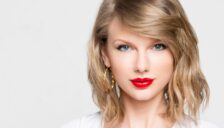
Taylor Swift has done a mini track-by-track breakdown of her new album for Amazon Music.

SeeYouSpaceCowboy have released a video for their song “Lubricant Like Kerosene.”
Read More “SeeYouSpaceCowboy – “Lubricant Like Kerosene” Video”
ManDancing have released the new single “Malachi.”
Read More “ManDancing – “Malachi””
The trailer for Marvel’s Deadpool & Wolverine has debuted.
Read More “‘Deadpool & Wolverine’ Trailer”
Anthony Green will release Doom. Spun. On June 26th. Today he’s shared “Megadeth.”
Read More “Anthony Green Announces New Album”