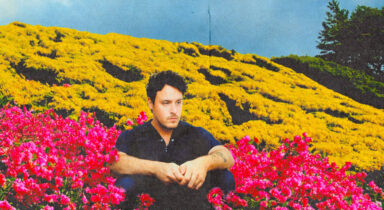
Soccer Mommy has announced some new tour dates.
Read More “Soccer Mommy Adds Tour Dates”Soccer Mommy Adds Tour Dates












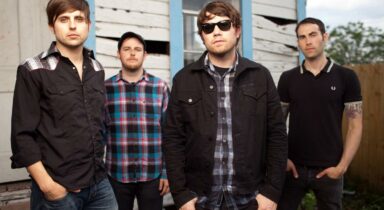

Soccer Mommy has announced some new tour dates.
Read More “Soccer Mommy Adds Tour Dates”
Steve Albini has passed away. He was 61.

The lineup for 2024’s Austin City Limits has been announced.
Read More “ACL Fest 2024 Lineup Announced”
Coheed and Cambria have shared the new song “The Joke.” The b-side on streaming platforms is a new version of “Deranged.”
Read More “Coheed and Cambria – “The Joke””
The Early November have shared the new song “Tired of Lying.”
Read More “The Early November – “Tired of Lying””
The world around us is quite brutal and ugly currently, so who couldn’t use a little optimism that things can and will get better? Dua Lipa has returned to the music world with a shimmering album titled Radical Optimism. With songwriting and producer credits from Kevin Parker of Tame Impala, plus other seasoned veterans like Danny Harle, Ian Kirkpatrick, and Andrew Wyatt, Dua Lipa comes well-armed for success. The album plays out quickly over the 11-song, 37-minute play time that is filled with thrilling moments, great vocal performances from Dua Lipa, as well as plenty new tricks to her arsenal. Radical Optimism is a heat-seeking missile to the eardrums and is bound to make even the most negative person feel a little bit better about their day after spending some time with it. While the current pop scene seems to lean towards darker elements (much like the brooding pop Billie Eilish), Dua Lipa cuts through the negativity with a surgeon-like precision on this instant pop classic.
Read More “Dua Lipa – Radical Optimism”
A Trophy Eyes fan was injured in New York on Tuesday due to stage diving. A GoFundMe has been setup:
Bird Piché suffered a catastrophic spinal cord injury while attending a concert on April 30th and underwent an extensive surgery. She has a long recovery ahead and will need all the help she can get. It is still too early to know what her prognosis is but after leaving the hospital she will need to go to a rehab facility. She will obviously not be able to work during this time.
The band has issued the following statement:
As the result of a tragic accident on the night of April 30th, a Trophy Eyes fan was injured at our Buffalo NY show. We elected to immediately shut down the show as John accompanied them to the hospital with their family. Out of respect for the family, we have refrained from speaking about this publicly so far, but with the blessing of their family we are now able to say how truly heartbroken we are to be here now. Our friend, Bird, is now in recovery, but still has a long road ahead for them. A GoFundMe has been set up by their family, you can donate below. This situation has shaken us all to our core, and we ask for patience while we look to help Bird navigate this difficult time. We remain in close contact with them and will expand on this as new news arrives
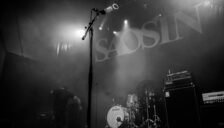
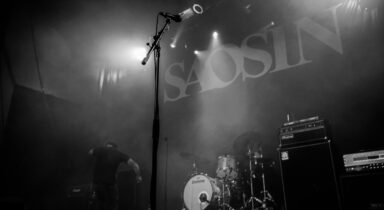
Saosin have shared their cover of “Seven” by Sunny Day Real Estate and “Pitiful” by Blindside from their upcoming live release.
Read More “Saosin Share More Live Videos”
Hit Like a Girl have released the new song “The Decider” on Bandcamp.
Read More “Hit Like a Girl – “The Decider””
Incubus performed “Wish You Were Here” on Kimmel.
Read More “Incubus Perform on Kimmel”
Anxious, Koyo, and One Step Closer have announced some more tour dates.
Read More “Anxious, Koyo, and One Step Closer Add More Dates”
Half Waif will release Ephemeral Being on May 31st. Today she’s shared “Big Dipper.”
Read More “Half Waif Announces New EP”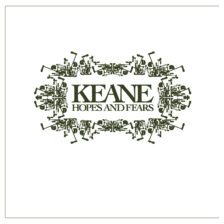
There was something in the water in 2004. Not every year delivers even one classic debut album; 2004 was serving them up like it was going out of style. Hot Fuss; Franz Ferdinand; Funeral; Bows + Arrows; The College Dropout. Not all of those albums have aged well, but they all left an indelible mark on music, and most of them delivered at least one iconic hit – the kind of deathless single that will live on forever and ever on wedding dancefloor playlists or supermarket sound systems. I have, at one time or another, loved all of those albums. But in 2004 proper, if you’d have asked me which brand-new artist I was most excited to follow over the course of their career, I would have answered Keane, and I’d have done it without hesitation.
Keane were never going to be cool. They were pitched as the heirs apparent to Coldplay, which is probably a pretty big “strike one” for most tastemakers. They also made big, grandiose soft rock that wore its heart on its sleeve; there was no wit or irony here, just uber-emotional songs about unrequited love and the pains of growing up. Probably fair to call that strike two. And perhaps least cool of all, Keane were a rock band with no guitars. Even Coldplay, as wussy as their reputation would suggest they were, still had songs with Big Ass Guitars. Keane were a three-piece with a singer, a drummer, and a keyboardist, and the pianos were front and center in every single song. Do I even need to say it? Strike three; get outta here!
Read More “Keane – Hopes & Fears”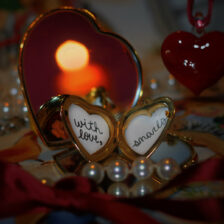
When the time came for Snarls to begin work on the material that would become their sophomore LP, they knew they wanted to work with producer Chris Walla again. The only issue was that Walla’s U.S. based Seattle studio wasn’t an option at that time period. When Chris Walla pitched the idea of the Ohio indie rock band to come to his actual home in Norway, the offer was simply too good for the band (whom had never been overseas) to pass up. With Love gets a lot of its charm from this other-worldly opportunity for the band to hunker down and pen some of their most meaningful songs to date, albeit in another part of the globe. Indie rock’s best kept secret shines all over their second full-length record that is urgent, thoughtful, impactful, and immediately gratifying. Snarls continue to show their steady growth as musicians, and Walla can only sit back and gleefully admire this journey the young band is taking with him at the producer helm. The shimmering first chorus on the title track sets the table nicely with its lyrics of, “‘Cause I’ll always love you / I’m in your corner, too / Carry you in my heart everyday / With love.” Much like the album artwork that carefully pens the words “With Love,” in the locket, Snarls keep their music accessible, yet utterly passionate.
Read More “Snarls – With Love”
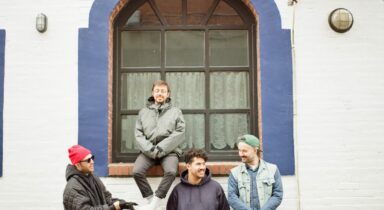
Origami Angel have returned with the new song “Fruit Wine.”
Read More “Origami Angel – “Fruit Wine””